A comprehensive guide to tropical weather alerts
(WALA) - As hurricane season continues, it’s important to understand the different alerts issued by the National Hurricane Center. Tropical storm, hurricane, and storm surge watches and warnings each carry different meanings and can help you know when it’s time to prepare and when it’s time to act. Knowing the difference ahead of time can help keep you and your family safe when a storm threatens the Gulf Coast.
Tropical Storm Alerts: Tropical Storm Conditions
Tropical storm conditions refer to sustained winds of 39 to 73 mph. These winds can make travel dangerous, knock down trees and power lines, and cause scattered power outages.
A Tropical Storm Watch means tropical storm conditions are possible in your area, typically within 48 hours.
This is your time to:
- Review your hurricane plan
- Check emergency supplies
- Charge phones and devices
- Secure loose outdoor items
- Monitor forecast updates
A Tropical Storm Warning means tropical storm conditions are expected in your area, typically within 36 hours.
At this point:
- Complete storm preparations
- Stay off the water
- Avoid unnecessary travel
- Follow instructions from local officials
Tropical storm-force winds can bring down trees, damage power lines, and cause scattered power outages even if a storm never reaches hurricane strength.
Hurricane Alerts: Hurricane Conditions
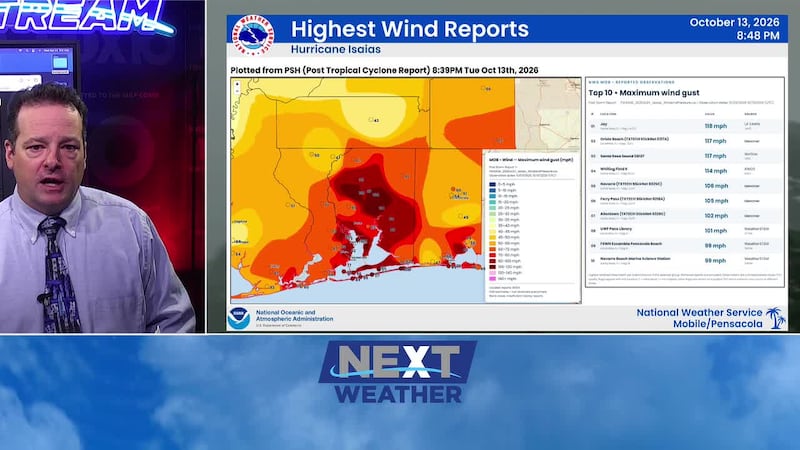
Hurricane conditions refer to sustained winds of 74 mph or greater. These winds can cause major damage to homes and businesses, widespread power outages, and dangerous flying debris.
A Hurricane Watch means hurricane conditions are possible within 48 hours.
This is your opportunity to:
- Finalize preparations
- Review evacuation plans
- Fuel vehicles
- Gather important documents
- Make arrangements for pets
A Hurricane Warning means hurricane conditions are expected within 36 hours.
When a warning is issued:
- Complete preparations immediately
- Be ready to shelter in a sturdy structure
- Follow evacuation orders if issued
- Stay tuned for frequent forecast updates
Hurricane-force winds can cause widespread power outages, significant structural damage, and dangerous conditions long before the center of a storm arrives.
Storm Surge Alerts: The Deadliest Hurricane Threat
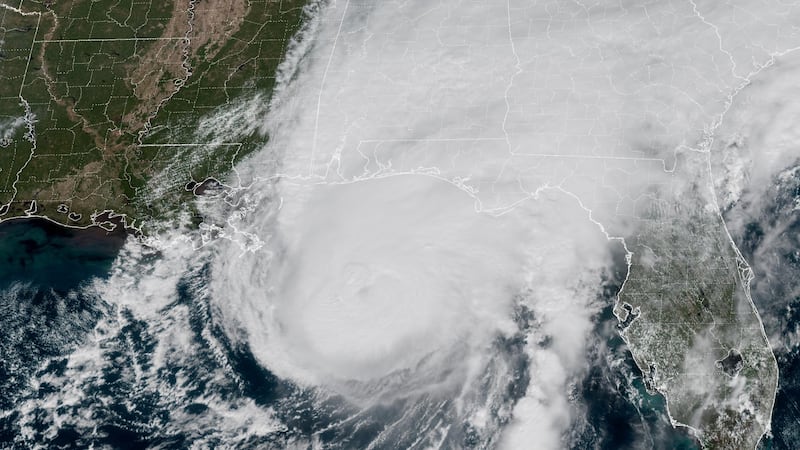
Storm surge is often the greatest danger from a landfalling tropical cyclone along the Gulf Coast. Storm surge occurs when strong winds push seawater inland, causing coastal flooding that can quickly become life-threatening.
A Storm Surge Watch means there is a possibility of life-threatening storm surge, generally within 48 hours.
A Storm Surge Warning means there is a danger of life-threatening storm surge, generally within 36 hours.
If you live in an evacuation zone and local officials issue an evacuation order because of storm surge, leave promptly. Roads can become flooded long before the peak of the storm arrives.
Ways to Receive Warnings
Every household should have multiple ways to receive weather alerts.
Recommended sources include:
- The FOX10 Weather App
- Wireless Emergency Alerts on your smartphone
- NOAA Weather Radio
- Local television and radio stations
- Trusted local meteorologists and official government sources
Do not rely solely on outdoor warning sirens or social media posts for life-saving information.
The Bottom Line: Watches vs. Warnings
The easiest way to remember the difference is:
WATCH = PREPARE
WARNING = TAKE ACTION
The Gulf Coast is no stranger to tropical weather, and understanding these alerts before a storm develops can help you make faster, safer decisions when time matters most.
Stay with the FOX10 STORMtracker Team and keep the FOX10 Weather App downloaded throughout hurricane season for the latest forecasts, alerts, and storm updates.
Copyright 2026 WALA. All rights reserved.