Improved food access could lead to healthier eating, here’s how
Researchers call ultra-processed foods ‘urgent public health threat’ as local organization works to improve food access
OMAHA, Neb. (InvestigateTV) - The biggest barrier for healthier eating isn’t knowing what to cook, it’s simply being able to find fresh food nearby.
A lack of access to healthy food can contribute to poor diets, high levels of obesity, and other diet-related diseases, according to the USDA.
A new study directly links ultra-processed foods to higher rates of chronic diseases, calling it “an urgent public health threat.”
Authors of the study say relying solely on changing behavior isn’t enough. They’re advocating for policies to regulate ultra-processed foods and a system that supports local food producers.
An Omaha nonprofit is already doing this work in the community.
No More Empty Pots teaches gardening and cooking classes to make fresh food preparation less intimidating while helping people access and choose locally produced foods instead of ultra-processed options.
Learning skills to get healthy
“I honestly was never really that interested in farming until the COVID-19 pandemic in 2020,” said Decker Gabriel Woods, community education manager for No More Empty Pots and urban farmer. “I saw how the national food chain really was disrupted and it made me want to grow food here.”
Woods now teaches gardening and cooking classes for the organization, while growing vegetables on his own farm in North Omaha. His goal is to make fresh food preparation less intimidating.
“Gives you a sense of autonomy to be able to gain a new skill that’s going to make all aspects of your life better,” Woods said.
Addressing disparities through food access
“Long term, we see how health is impacted by people who historically have not had access to healthy food and now we’re working to try to undo it,” said Talia McGill, President and CEO of No More Empty Pots.
McGill said easy access to local produce is a common barrier the organization works to remove.
“When we think about even just the 30th Street corridor, they have been closing grocery stores and so access is key,” McGill said.
The organization partners with 40 producers and vendors in a 400-mile radius of Omaha to get fresh food from farms to pantries, schools and businesses. They’re now working to get into grocery chains.
“If the product can be made in a different way or sourced differently, the actual end user doesn’t really have to change anything, they just naturally benefit by the business making something different available to them,” McGill said.
Through No More Empty Pots, people can get meals or boxes of local produce delivered to their home or pick up items from local vendors at the Micro Market in North Omaha.
“In today’s world we definitely value convenience, but if you make a slight change or decide to try something new, I think people will see that they can get the same value out of a new grocery store like this or programs that we have,” McGill said.
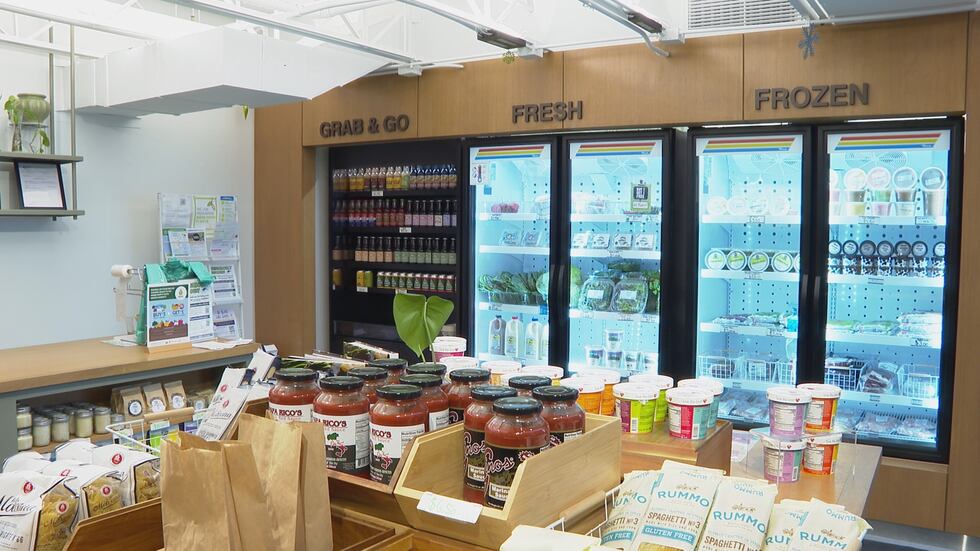
Woods said the approach creates community connections.
“Having an opportunity to get to know where your food comes from, maybe connect with our folks in the micro market or learn about the farmer that lives right down the road that you can buy food from them and eat it, you get a sense of community from that,” Woods said.
The Micro Market on 30th Street is open four days a week for grocery shopping. No More Empty Pots hosts regular events and classes as well.
“We have monthly workshops that happen in our teaching kitchen at the food hub in the 30th and Florence area,” Woods said.
Study findings and recommendations
The study published in the Lancet found statistically significant associations with consuming ultra-processed foods and adverse health conditions, including type 2 diabetes, depression, obesity and cardiovascular disease.
Evidence shows “several plausible mechanisms explain associations with increased chronic disease risk” including multiple nutrient imbalances, overeating, increased intake of toxic compounds and exposure to potentially harmful additives.
The study recommends taxation and marketing regulations for corporations that produce ultra-processed foods. Authors suggest the government use those corporate tax dollars to provide resources for low-income households to access healthy, fresh food.
Federal and state policy changes
The FDA estimates 70% of the U.S. food supply is made up of ultra-processed foods. On its website, the agency said there are “still many questions” about how and why these foods harm people’s health, but that “the FDA is committed to accelerating research on ultra-processed foods to help answer these questions.”
Last summer, the U.S. Secretary of Agriculture signed new waivers to amend what food can be purchased by SNAP recipients in certain states, including Nebraska and Iowa, stopping people from using benefits to buy certain ultra-processed foods and sugary drinks starting this year.
Copyright 2026 Gray Media Group, Inc. All rights reserved.